I am an AI/ML Research Scientist at Bioscope AI, where I build a precision longevity platform integrating multi-omics data with neuroimaging. I recently graduated with a Ph.D. in Computer Science from Vanderbilt University, advised by Dr. Bennett A. Landman in the MASI Lab.
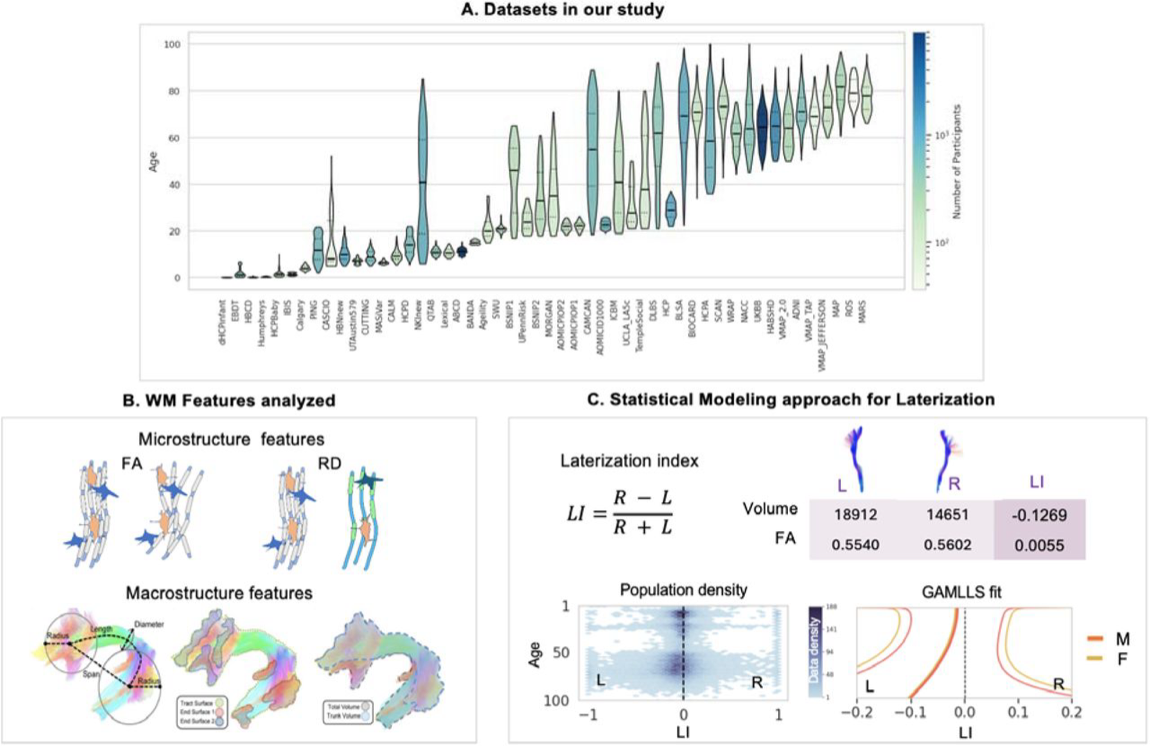
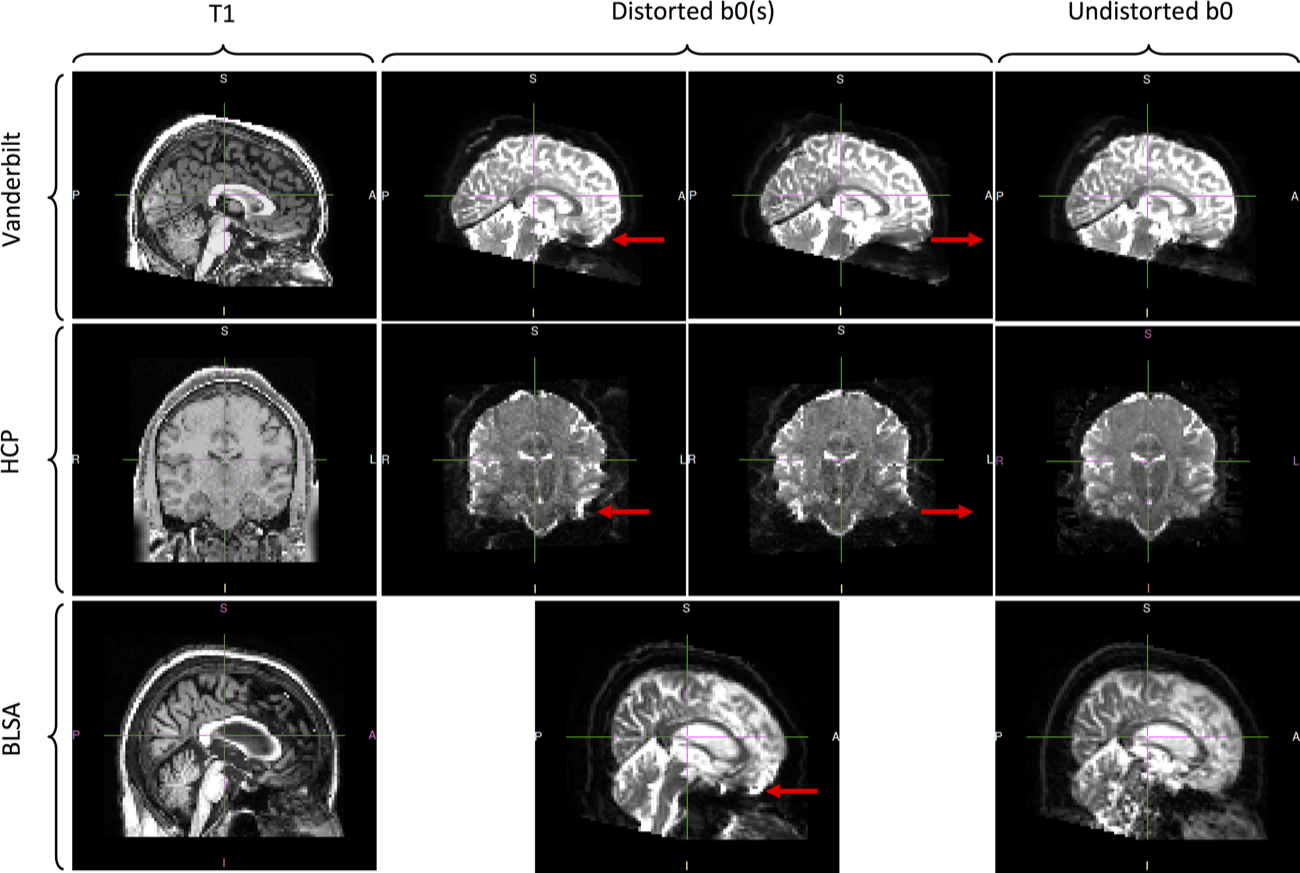
For my dissertation, I developed physics-informed neural networks to correct scanner-induced errors of 10–30% in quantitative brain imaging. I've contributed to two landmark studies: the first normative white matter brain charts (Nature, 2026) and the largest white matter asymmetry study to date (Human Brain Mapping, 2026). During my Ph.D., I also interned at the U.S. Food and Drug Administration (FDA), where I developed BEHYPE, a framework for detecting bias in AI-based medical devices.
A common thread across my work is translating AI research into clinical practice. I've developed, standardized, and optimized medical image analysis pipelines for reliable use in radiology workflows. My expertise spans deep learning, regulatory AI, image harmonization, and biomedical informatics.
Physics-Informed Deep Learning · Diffusion MRI · Bias Field Correction · Gradient Nonlinearity Correction · AI Fairness & Trustworthiness · Medical Device Regulation · Clinical AI Infrastructure · LLMs in Healthcare · Neuroimaging · Brain Age Estimation · Multi-Omics Data Fusion
First Author
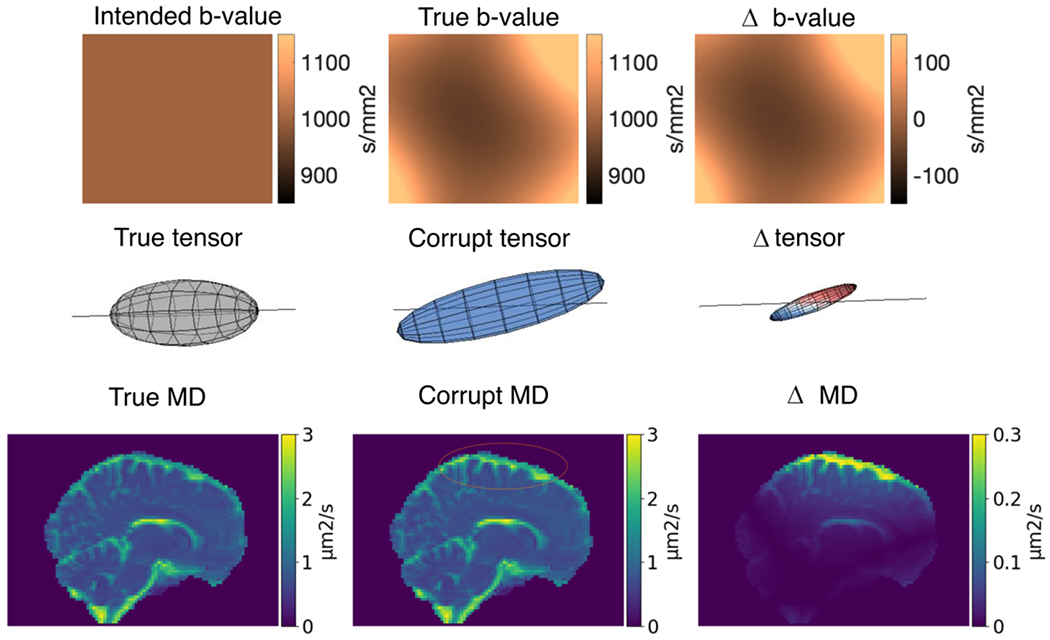
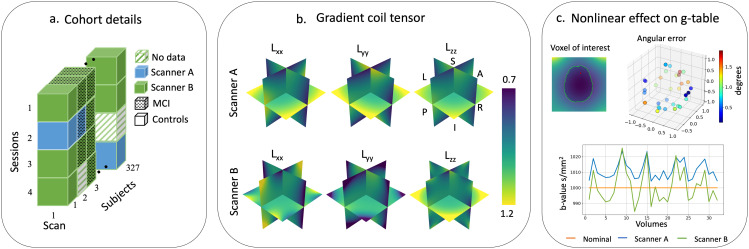
Mapping the Impact of Nonlinear Gradient Fields on dMRI Tensor Estimation
SPIE · Wagner Finalist 2022 · 5 citations
Robert F. Wagner Best Student Paper Finalist · Top ~1.5% of 1,000+ papers
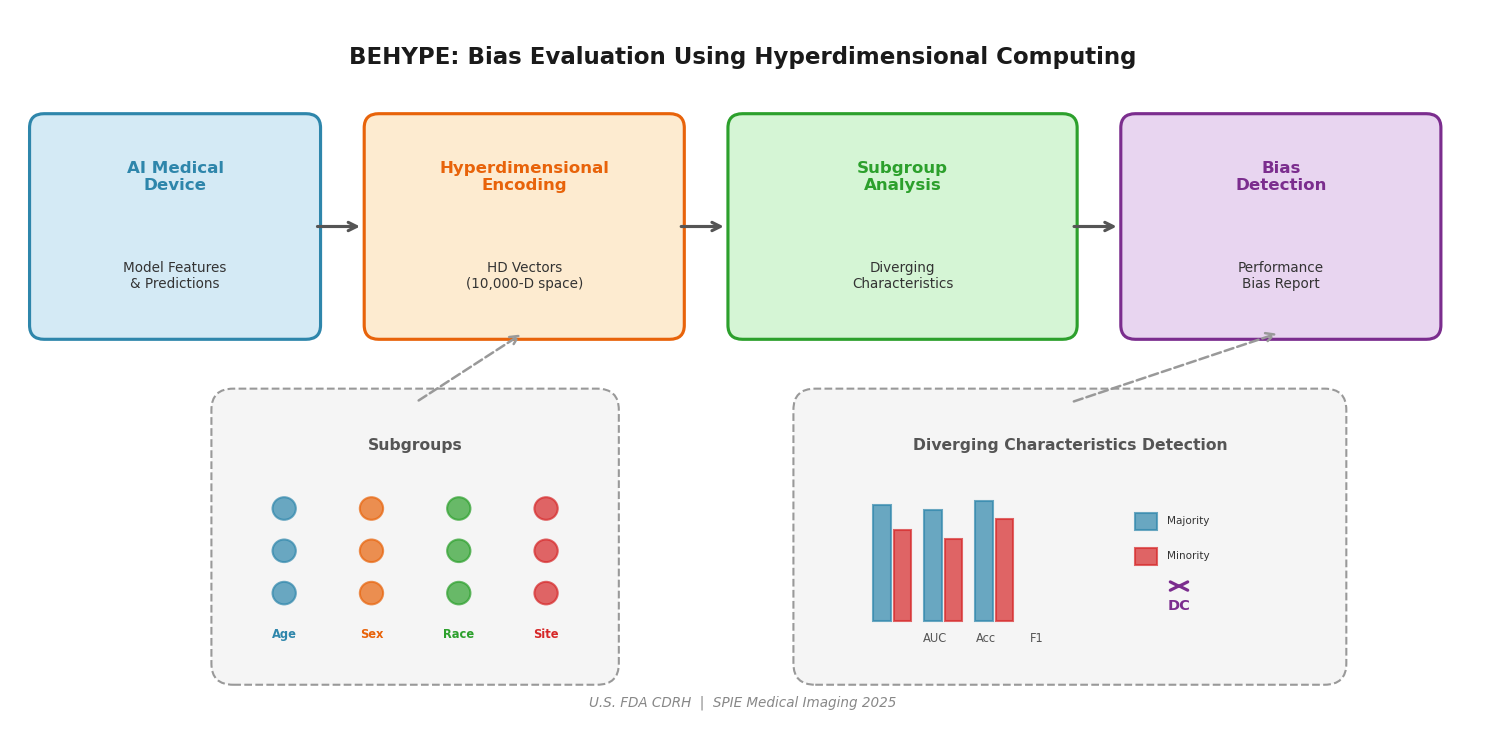
BEHYPE: Bias Evaluation Using Hyperdimensional Computing for AI-Based Medical Devices
SPIE Medical Imaging, 2025
Developed at U.S. FDA CDRH
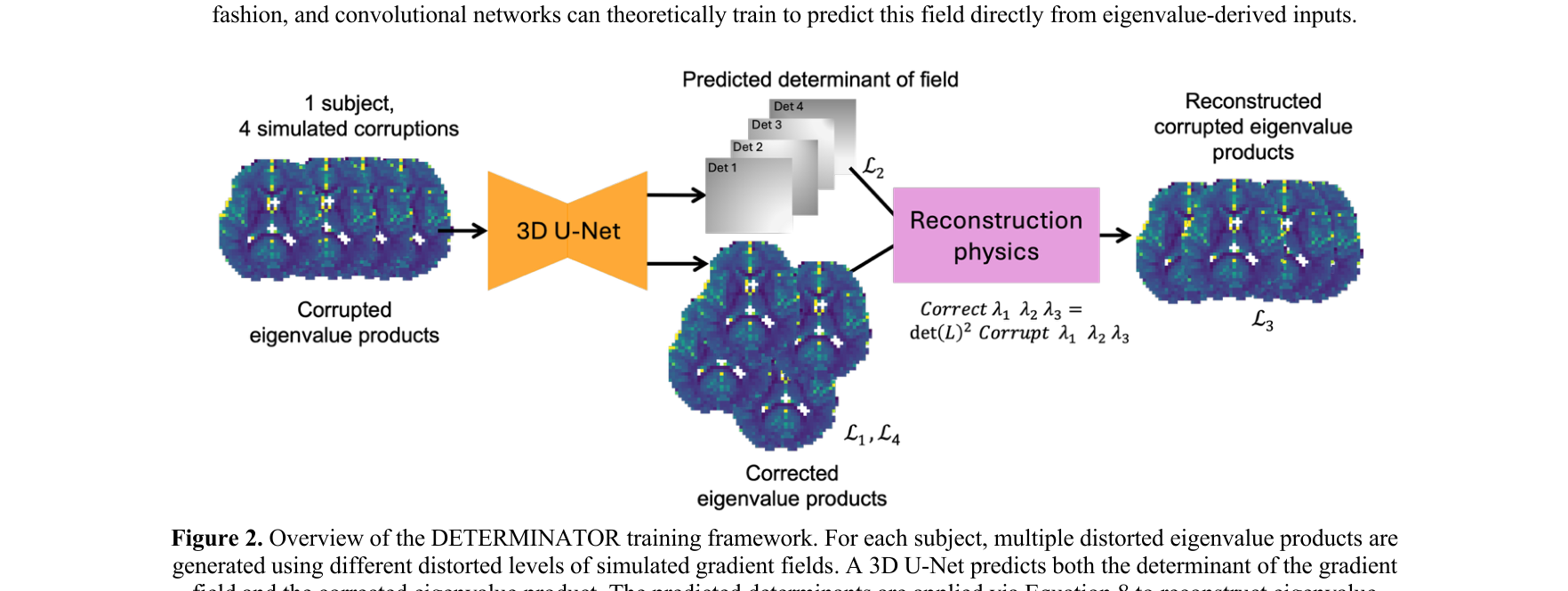
DETERMINATOR: Determinant Gradient Field Estimation for Accurate b-Value Correction in Diffusion MRI
SPIE Medical Imaging, 2026
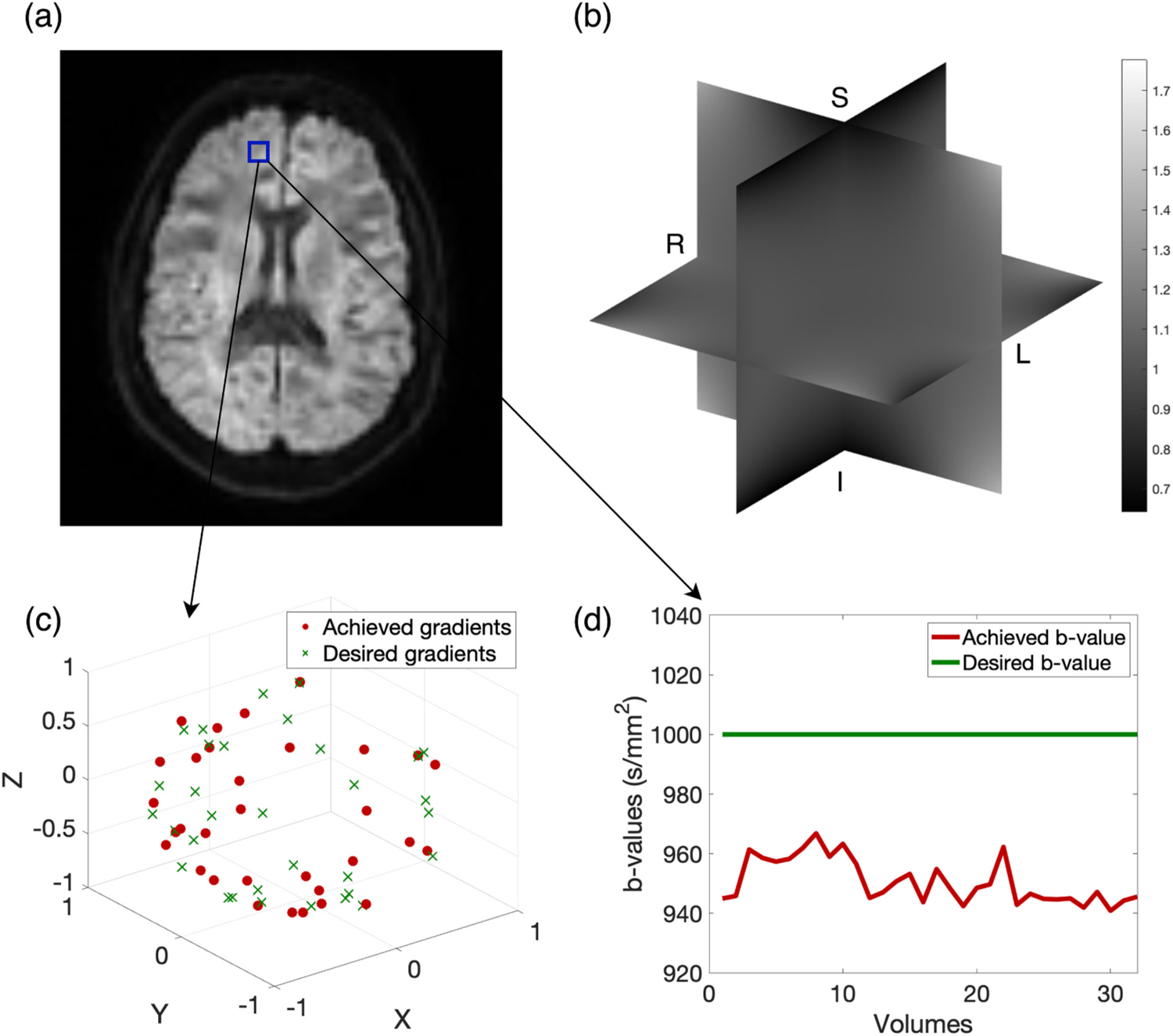
Mapping the Impact of Nonlinear Gradient Fields with Noise on Diffusion MRI
SPIE Medical Imaging, 2023 · 6 citations
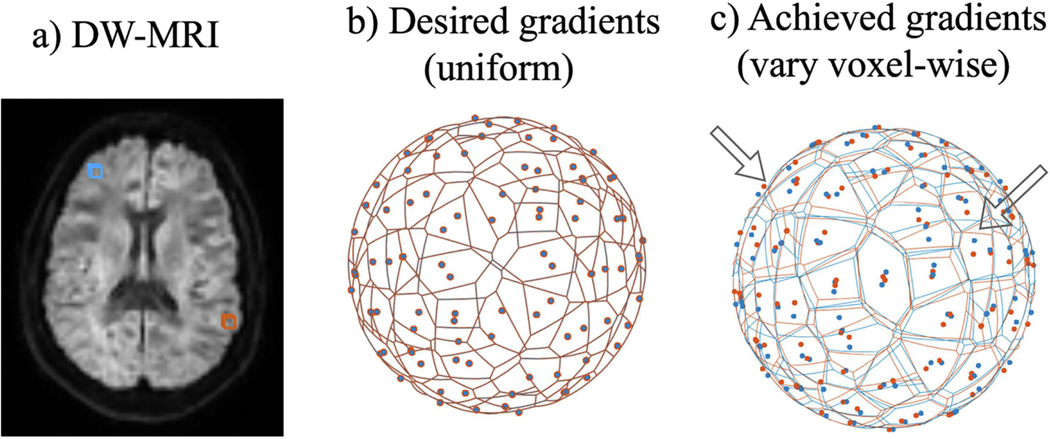
Efficient Approximate Signal Reconstruction for Correction of Gradient Nonlinearities in Diffusion-Weighted Imaging
ISMRM, 2023 · 2 citations
Selected Contributions
Bioscope AI
- Precision longevity platform — genomics, microbiome, imaging, wearables, EHR
- Neuroimaging module: 95+ structure segmentation, brain-age, 7 disease selectors
- LLM clinical interpretation; SaMD regulatory clearance
Vanderbilt University — MASI Lab
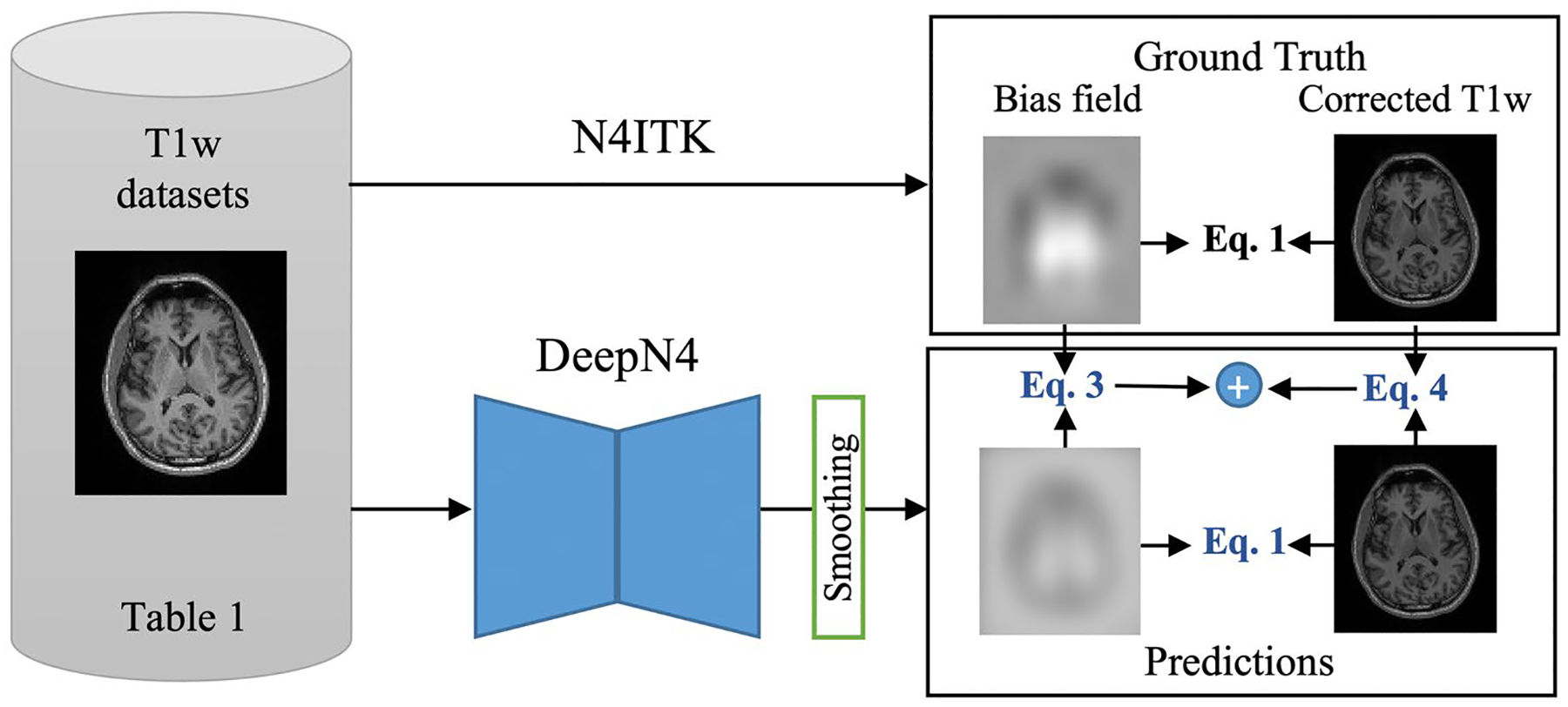
- Physics-informed deep learning for scanner bias correction
- DeepN4: open-source contribution to DIPY
- US patent for gradient-nonlinearity correction in dMRI
- Mentored 4+ junior PhD and Masters students
U.S. Food & Drug Administration — CDRH/OSEL
- BEHYPE framework for bias detection in breast imaging AI
- Regulatory-science review on LLMs in clinical workflows
- Invited talk at FDA Scientific Research Day
Vanderbilt University
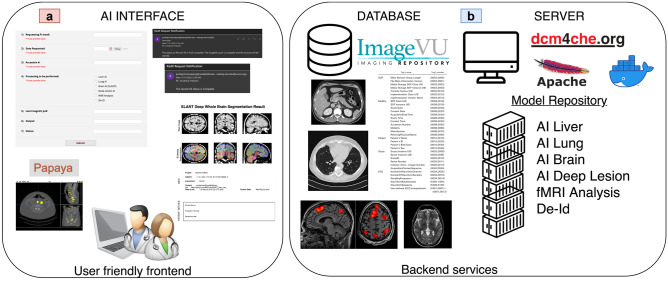
- HIPAA-compliant AI platform across 7 departments
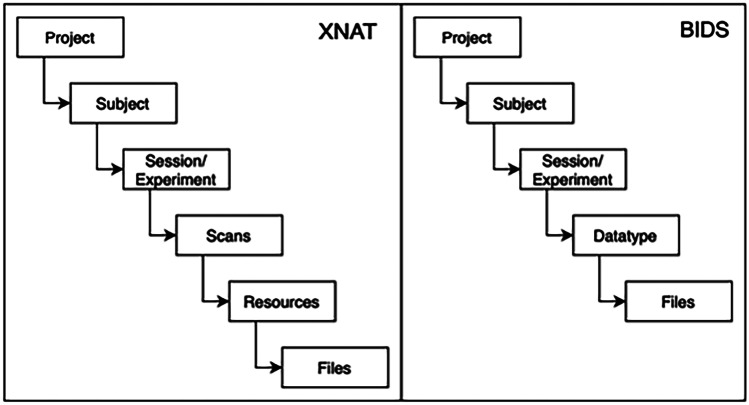
- XNAT: 379+ projects, 48,556+ subjects, 480,000+ scans
- BIDS tooling replicated at Brown, Oxford, and UCL
Brookhaven National Laboratory
- Computational modeling of lipid metabolism with CUDA
Stony Brook University
- 3D organ segmentation for radiation therapy (IEEE ISBI, 2020)
Advisor: Dr. Bennett A. Landman
Focus: Medical Image Processing
Advisor: Dr. Fusheng Wang
Study Abroad: Colorado State; Flinders University, Australia
- Provisional US Patent (2025) — Gradient-nonlinearity estimation and correction in diffusion MRI. Vanderbilt University.
- Robert F. Wagner Best Student Paper Finalist (2022) — SPIE Medical Imaging. Top ~1.5% of 1,000+ submitted papers.
- Best Poster Award (2022) — Vanderbilt University Institute of Imaging Science (VUIIS).
- University Travel Grants (2022, 2023, 2024) — Vanderbilt University competitive awards for SPIE and ISMRM conferences.
- Study Abroad Scholarship (2017) — Full scholarship to Flinders University, Australia.
-
"Diverging Representations in AI Models for Improved Transparency"
FDA Scientific Research Day — August 2024
-
"Bias Evaluation in AI Models"
FDA AI/ML Program — 2024
-
"Efficient Approximate Signal Reconstruction for Correction of Gradient Nonlinearities"
VUIIS Retreat — October 2023
-
"Deep Learning for Medical Images"
Dr. N.G.P. Institute of Technology, India — 2022
-
"Mapping the Impact of Nonlinear Gradient Fields on dMRI Tensor Estimation"
SPIE Medical Imaging — February 2022
- Women of VISE Steering Committee — Organized networking and mentorship events for women in imaging sciences, 2021–2024
- MASI Lab Operations Lead — Onboarding, code-review coordination, and compute administration, 2023–2025
- Graduate Senator — Stony Brook University, 2018–2019
Programming & ML
Medical Imaging
Deep Learning
Infrastructure
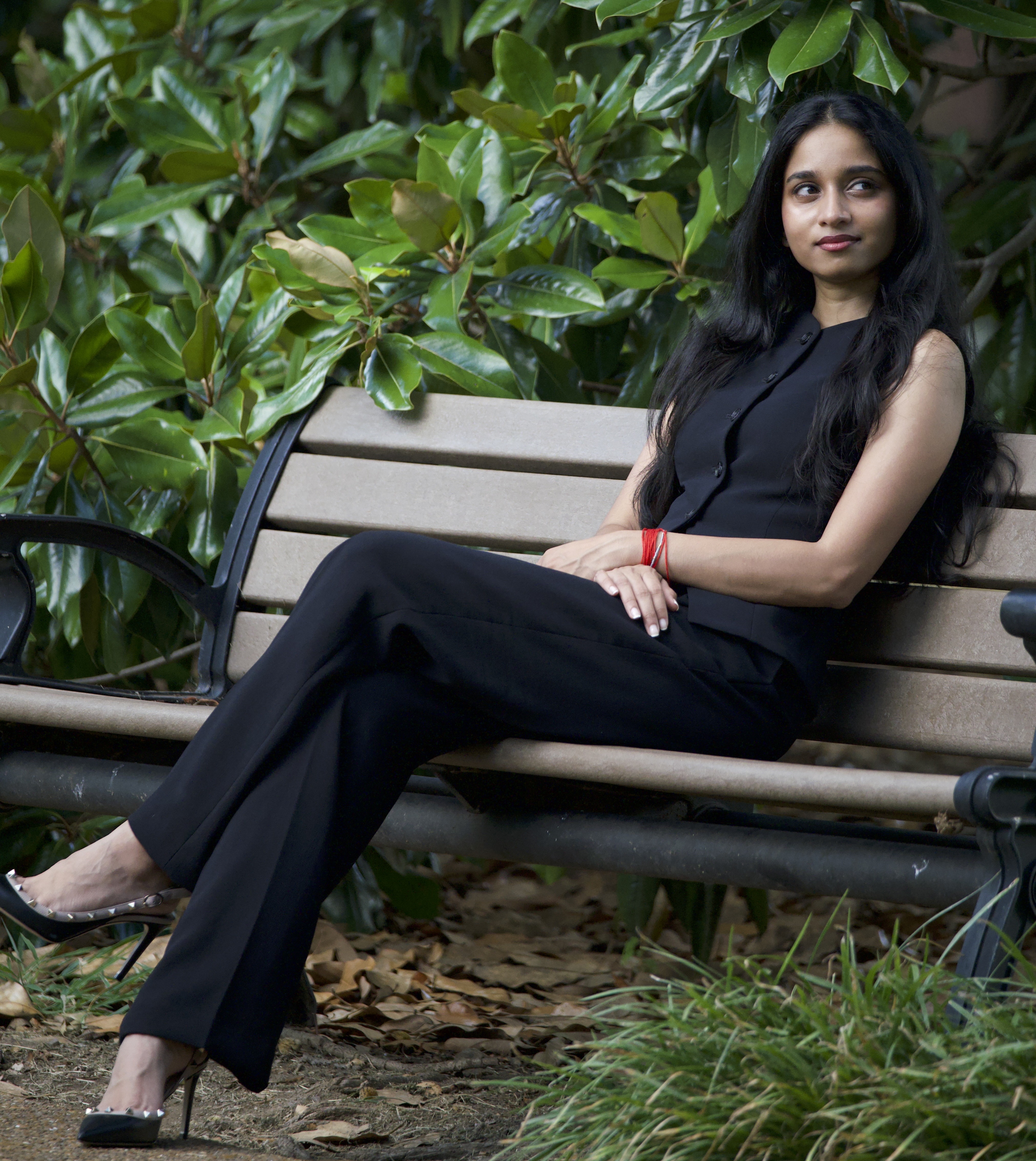
I grew up in Coimbatore, a city in southern India known for its engineering colleges and its proximity to the Western Ghats. From there, I've followed curiosity across three continents — studying in Australia on a full scholarship, researching at Brookhaven National Laboratory, and completing my Ph.D. at Vanderbilt in Nashville.
When I'm not debugging a neural network or reading a paper, you'll find me training for a marathon, on a yoga mat, or exploring a new city with a good hot chocolate in hand. I believe deeply that the curiosity which drives good science is the same curiosity that makes life interesting — and I try to bring that energy to everything I do.